AUTHOR
:][:
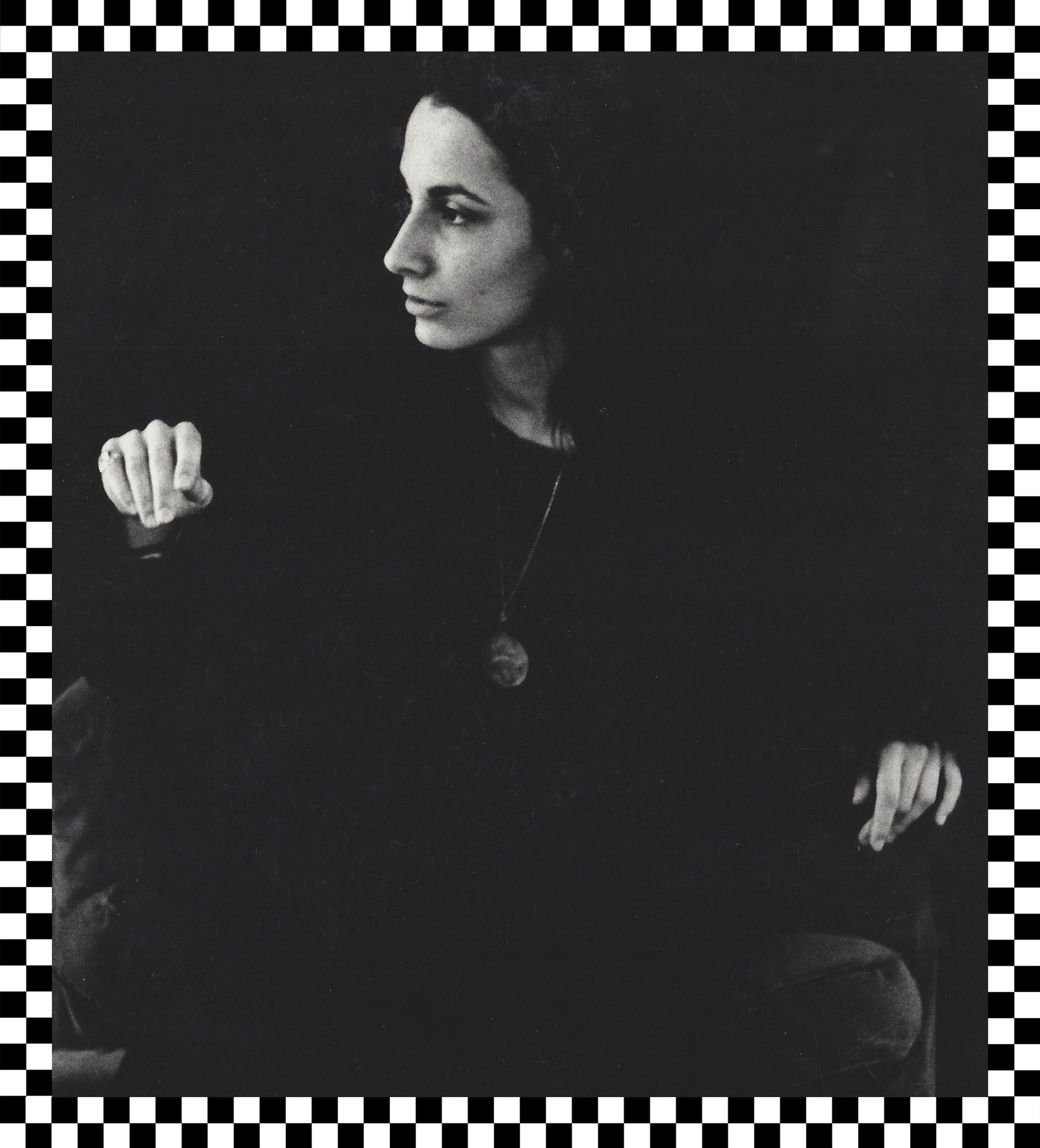
C. A. RODRIGUEZ:
"I write because I am a pencil. I read early, and some eighty years later, with an M.A. and a PhD in English and Comparative Literature, many decades of reading and writing, and even many decades of reading and writing about reading and writing, I still find it an astounding thing that these marks you are looking at on the screen trigger words in your mind. You hear them. And the sounds you hear in your mind instantly trigger thoughts."
"How many thousands upon thousands of years did it take to construct and agree upon the aural patterns, because as a species we hunger to communicate as we hunger for food? The words we use are very, very old, and they have ancestors that are older still. The words we use are both miraculous and stale. Both. I have spent my long lifetime grappling with this. Certain kinds of pencils do that."
"WHAT I WRITE AND WHY:
"I am intrigued by two things that battle staleness and tap the miraculous in writing. One is the power that imagery, beauty, and the musical aspects of language have to elicit experience—things like rhythm, pacing, patterning (rhyme, repetition), and sound, the formalized poetic (or magical—charms, prayers, curses) factor. And the other is the primal profundity of stories and the way they explode into ideas, because stories told by language can convey ideas with a multivalent complexity that no other form can approach. The oldest extended writings we have are stories, some more or less true, others shamelessly not. But stories are an ancient and essential form of thinking, and also of communicating our thinking. Entertainment and introspection. Resting and questing. Whatever we are mentally, stories are because they are about people living (or rabbits or robots or what-have-you, representing people). Even what used to be called "ghost stories" (now generally categorized as "horror") are about the extension of living concerns into an afterlife.
"This is why I do not write stories of a literal, sociological or directly observational sort. Because I am trying to tap something deeper.
"By 'stories,' I must make clear, I do not mean simply plots. A story needs a plot, of course, it's the armature. But a novel, the form of story primarily represented here, is not just the plot any more than a body is just—or 'essentially'—the skeleton. A novel is not merely 'what happened.' It is the entire experience, complicated as that is—engagement of the body, the soul, the mind, and the lightning.
"And the lightning rod, that thing that draws the crackling power of the word down into the place where it needs to be, is, of course, the mind of the reader."